Download the Ecommerce Email Automation Checklist
Get the complete blueprint to plan, build, and optimize all 7 essential email automations, including recommended triggers, timing, and revenue benchmarks.
Download Free ChecklistWhy Email Automation Matters
If you’re only sending one-off campaigns, you’re leaving revenue on the table. Email automation allows you to engage customers at the right moment, automatically. Instead of manually sending emails, automated flows are triggered by user actions, behaviours, or timing.
The result?
- More consistent engagement
- Higher conversion rates
- Scalable, compounding revenue growth
Let’s break down the 7 key automations every ecommerce brand should have in place.
1. Welcome Flow
Your welcome flow is your first impression, and one of your highest-performing revenue opportunities.
What is a Welcome Flow?
A welcome flow is a series of automated emails sent immediately after someone signs up to your email list (e.g., via a website pop-up, account creation, or checkout opt-in). Instead of sending a single generic “thanks for subscribing” confirmation, brands use a strategic sequence to introduce, educate, and convert new subscribers over time.
Why It Matters
At this stage, your audience is at its most engaged. They’ve just discovered your brand; now you guide them toward their first purchase:
- Introduce your brand story and positioning
- Set expectations for future communications
- Deliver an introductory incentive (e.g., discount code or free shipping)
- Drive first-time conversions
What a Strong Welcome Sequence Looks Like
- Email 1: Brand intro + promised incentive
- Email 2: Product education or bestsellers showcase
- Email 3: Social proof (customer reviews, press mentions, UGC)
- Email 4: Urgency reminder (last chance to redeem introductory offer)
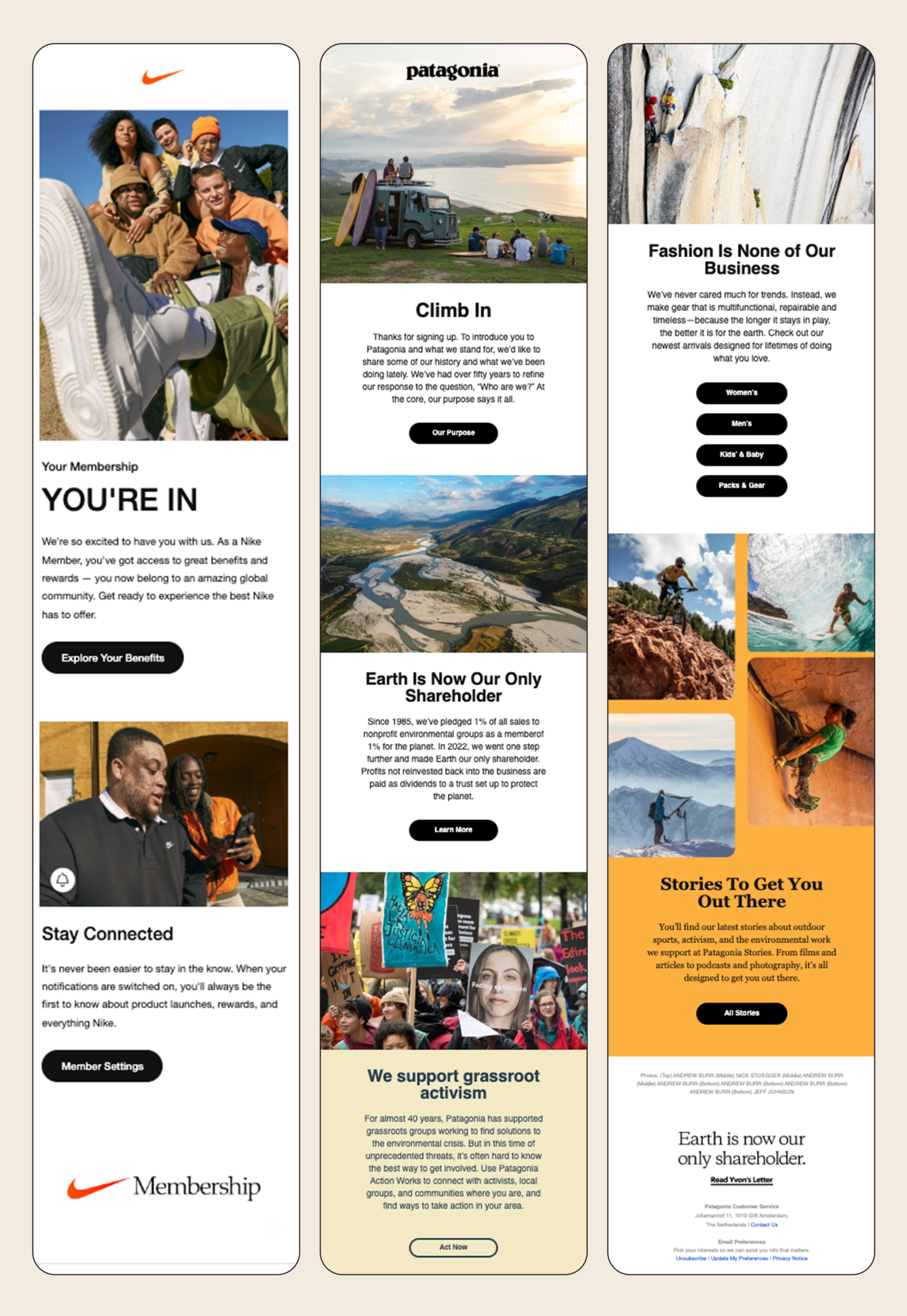
Welcome Flow Blueprint
2. Abandoned Cart Flow
Cart abandonment is inevitable, but highly recoverable—making this one of the most critical revenue-generating flows in ecommerce.
What is an Abandoned Cart Flow?
This automation triggers when a shopper adds items to their online shopping cart but navigates away without completing checkout. The system automatically sends reminder emails to bring them back.
Why It Matters
These users exhibit the highest purchase intent. They are seconds away from buying; they just need a timely push. According to Shopify data, cart abandonment rates exceed 60–70%, making abandoned cart recovery one of the most impactful bottom-line levers.
What a Strong Abandoned Cart Email Looks Like
- Clear visual reminder of items left behind (with product imagery and prices)
- Direct, unmissable CTA: “Return to Cart” or “Complete My Order”
- Trust signals (customer testimonials, satisfaction guarantees, return policy)
- Optional incentive on final follow-up (free shipping or tiered discount)
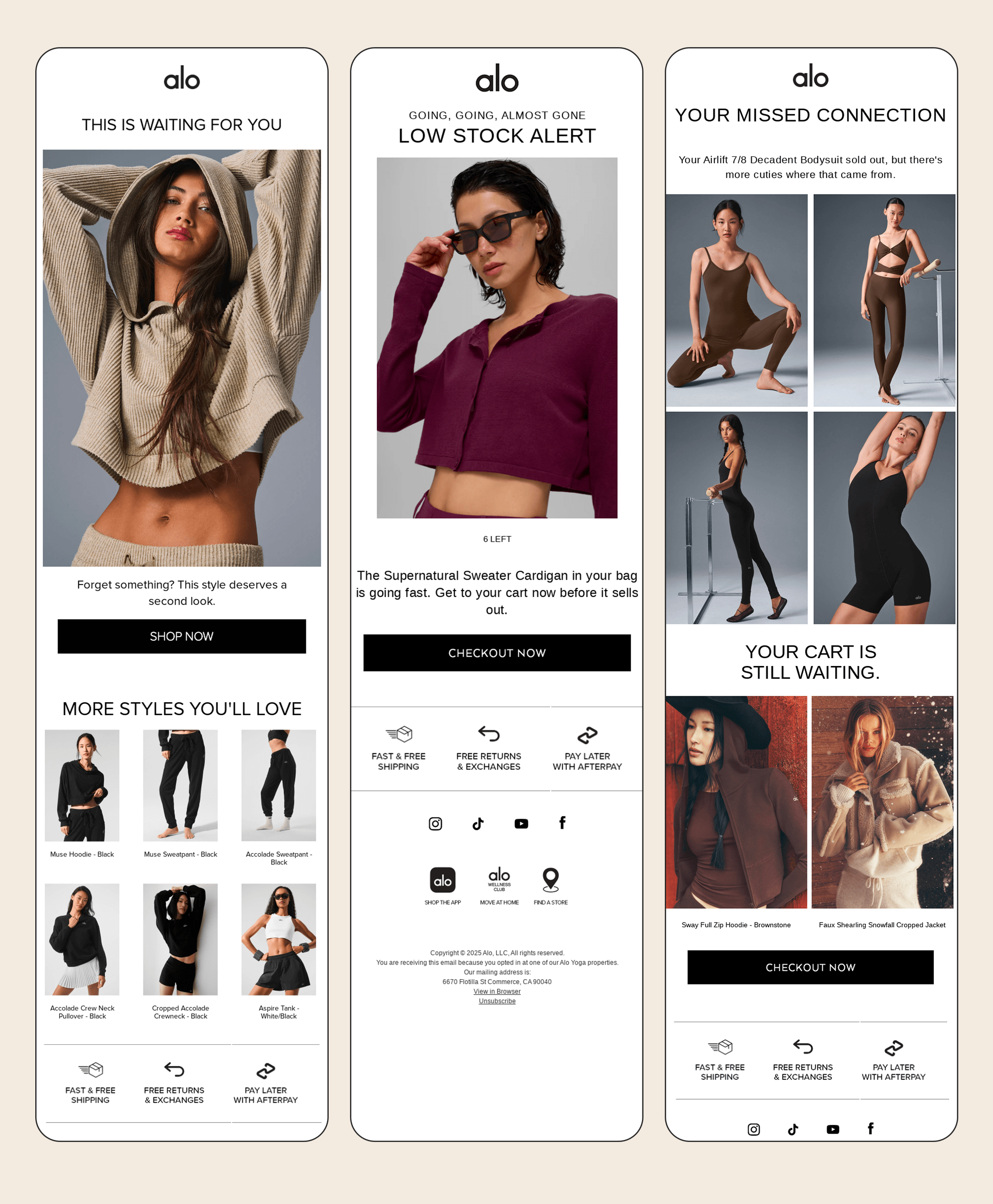
Abandoned Cart Flow Blueprint
3. Browse Abandonment Flow
Not every store visitor adds an item to cart, but many show clear buying interest simply by browsing product pages.
What is a Browse Abandonment Flow?
This flow triggers when a subscriber views specific products or collections but leaves the site without adding anything to their cart.
Why It Matters
It allows you to re-engage interested shoppers earlier in the funnel, before they disengage completely. Browse abandonment emails help you:
- Re-engage shoppers while the product is still fresh in mind
- Dynamically highlight recently viewed items
- Recommend complementary bestsellers
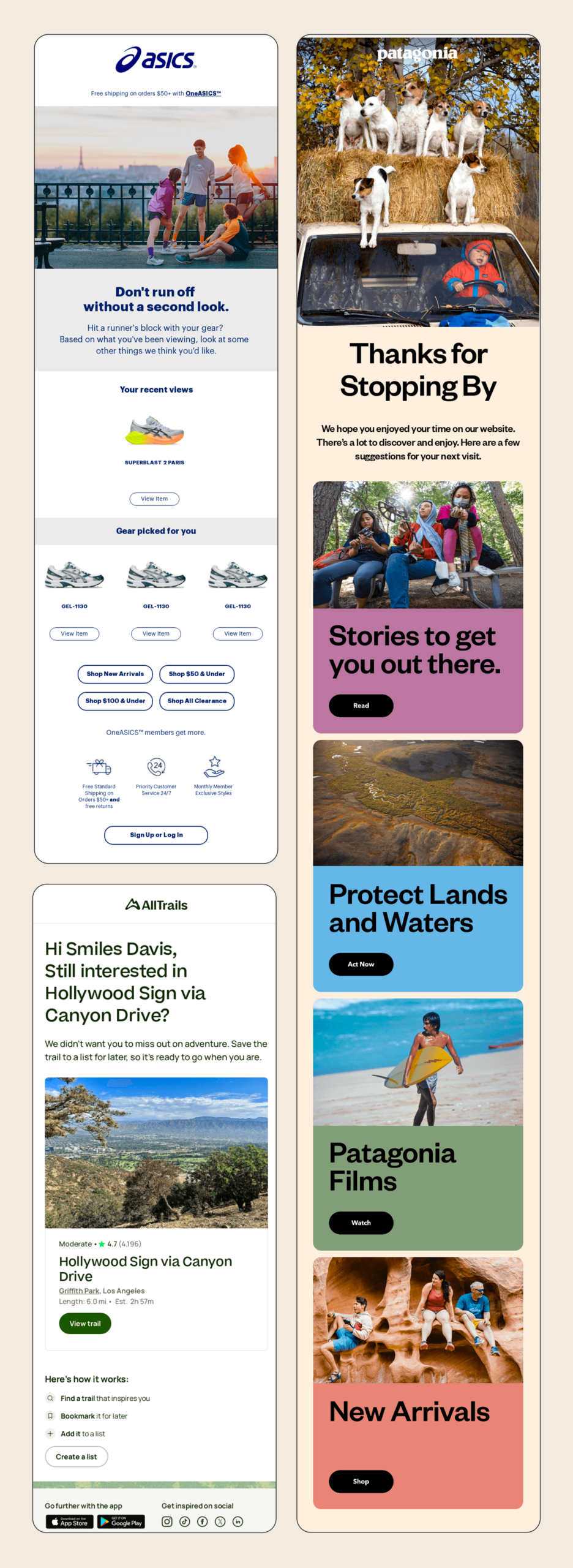
Browse Abandonment Flow Blueprint
4. Post-Purchase Flow
The customer relationship doesn’t end when a purchase is completed—it begins there.
What is a Post-Purchase Flow?
This automation is triggered immediately after an order is placed. It combines necessary operational notifications with strategic brand-building emails designed to maximize customer lifetime value (LTV).
Why It Matters
Customer retention is vastly more profitable than customer acquisition. A well-crafted post-purchase flow:
- Builds customer confidence and eliminates buyer’s remorse
- Provides helpful usage tips and product care guides
- Introduces personalized cross-sell and replenishment recommendations
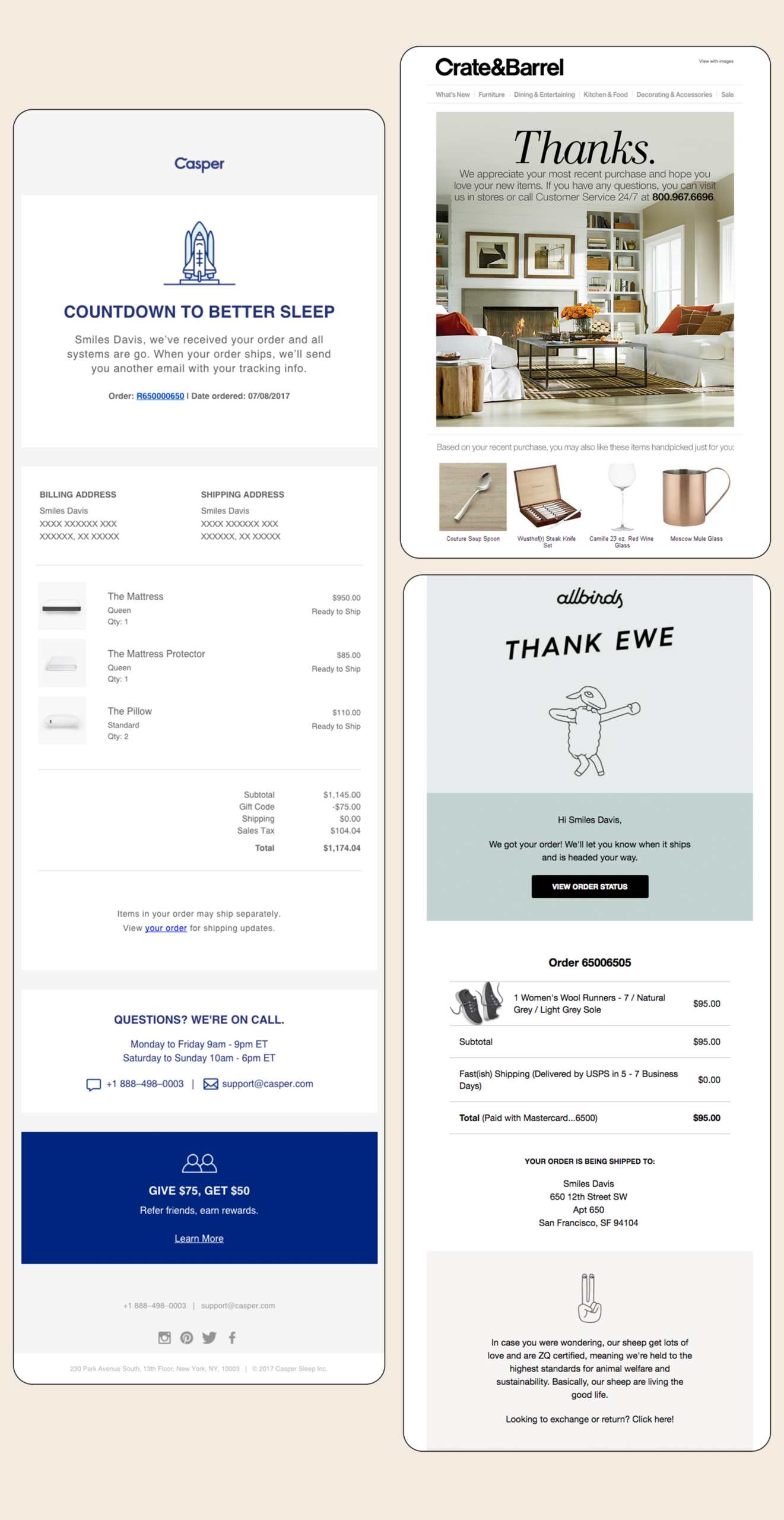
Post-Purchase Flow Blueprint
5. Re-Engagement (Winback) Flow
Not every customer remains consistently active. But dormant customers don’t have to stay lost!
What is a Winback Flow?
This automation targets customers and subscribers who haven’t opened an email or made a repeat purchase within a defined timeframe (typically 60 to 120 days depending on your average buying cycle).
Why It Matters
Reactivating past customers is significantly cheaper than acquiring new shoppers from paid ads. It also keeps your subscriber list clean, preserving inbox deliverability.
What a Strong Winback Email Looks Like
- Relatable, honest messaging (“We miss you” or “Is this still relevant?”)
- Exclusive return incentive (e.g., VIP discount code or gift with purchase)
- Personalized recommendations featuring new arrivals or updated collections
- Clear link to update email preferences or unsubscribe
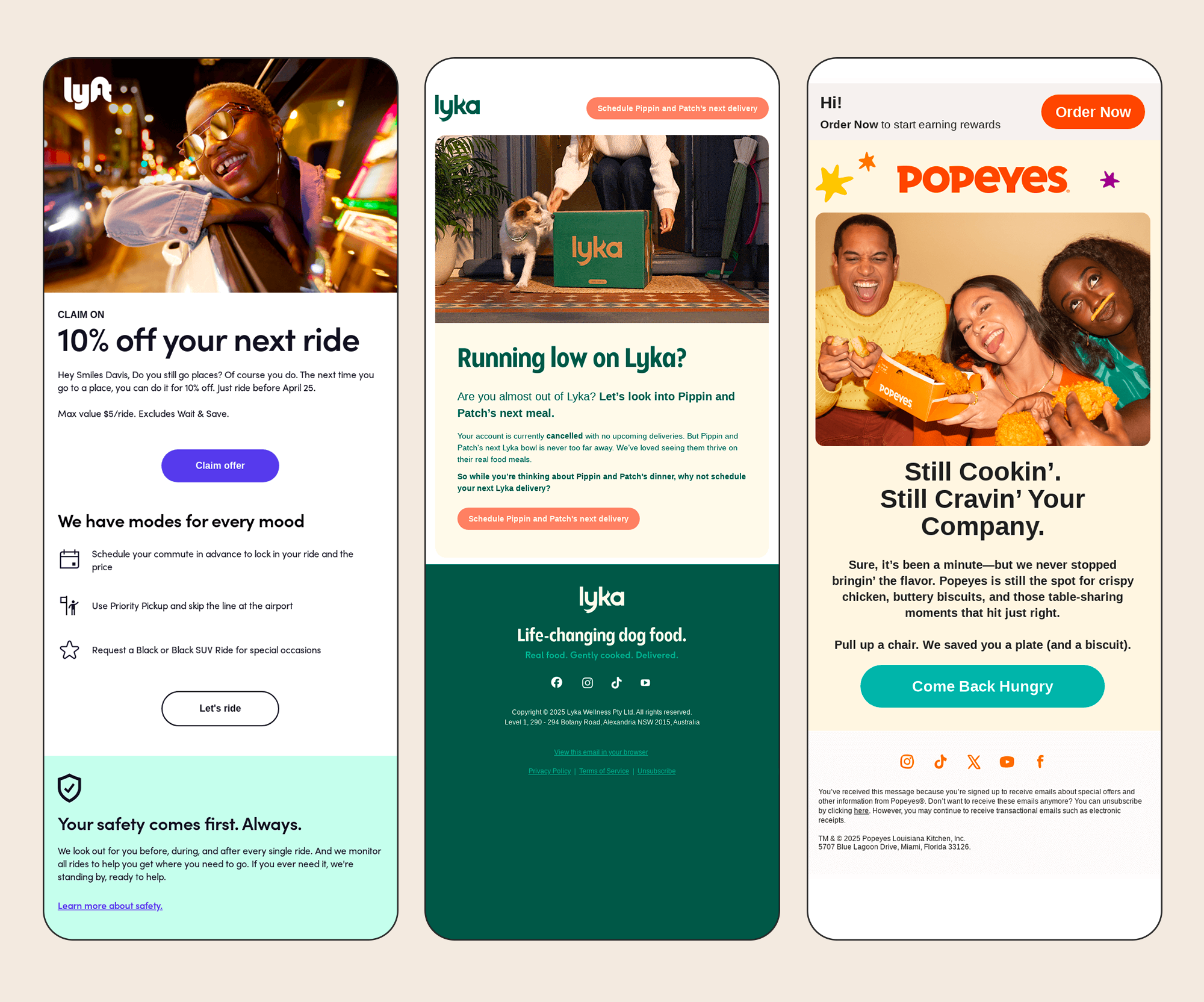
Customer Winback Blueprint
6. Review & UGC Flow
Social proof is one of the strongest conversion catalysts in e-commerce.
What is a Review / UGC Flow?
This automation triggers a specified number of days after delivery, inviting the customer to leave a star rating, write a review, or share a photo/video on social media.
Why It Matters
Automating review collection builds trust for future buyers, increases product page conversion rates, and generates valuable user-generated content (UGC) that your marketing team can deploy across paid Meta and Google ad creatives.
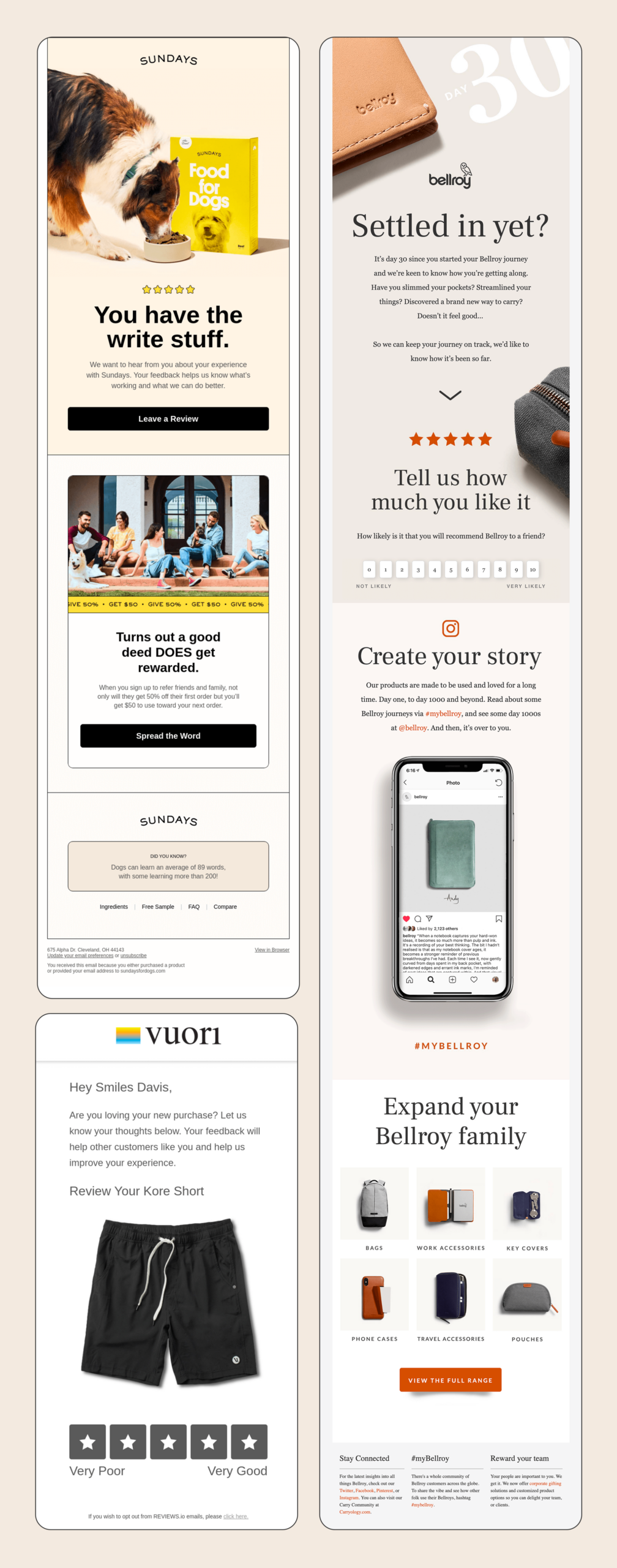
Review & UGC Request Blueprint
7. Birthday & VIP Loyalty Flow
Celebrating customer milestones creates memorable brand loyalty and drives high-margin orders.
What is a Birthday / Loyalty Flow?
This automation triggers on a customer’s birthday, anniversary of their first order, or when they reach a higher tier in your loyalty program.
Why It Matters
Milestone emails deliver some of the highest open and transaction rates in email marketing. They feel personal, celebratory, and stand out in crowded inboxes.
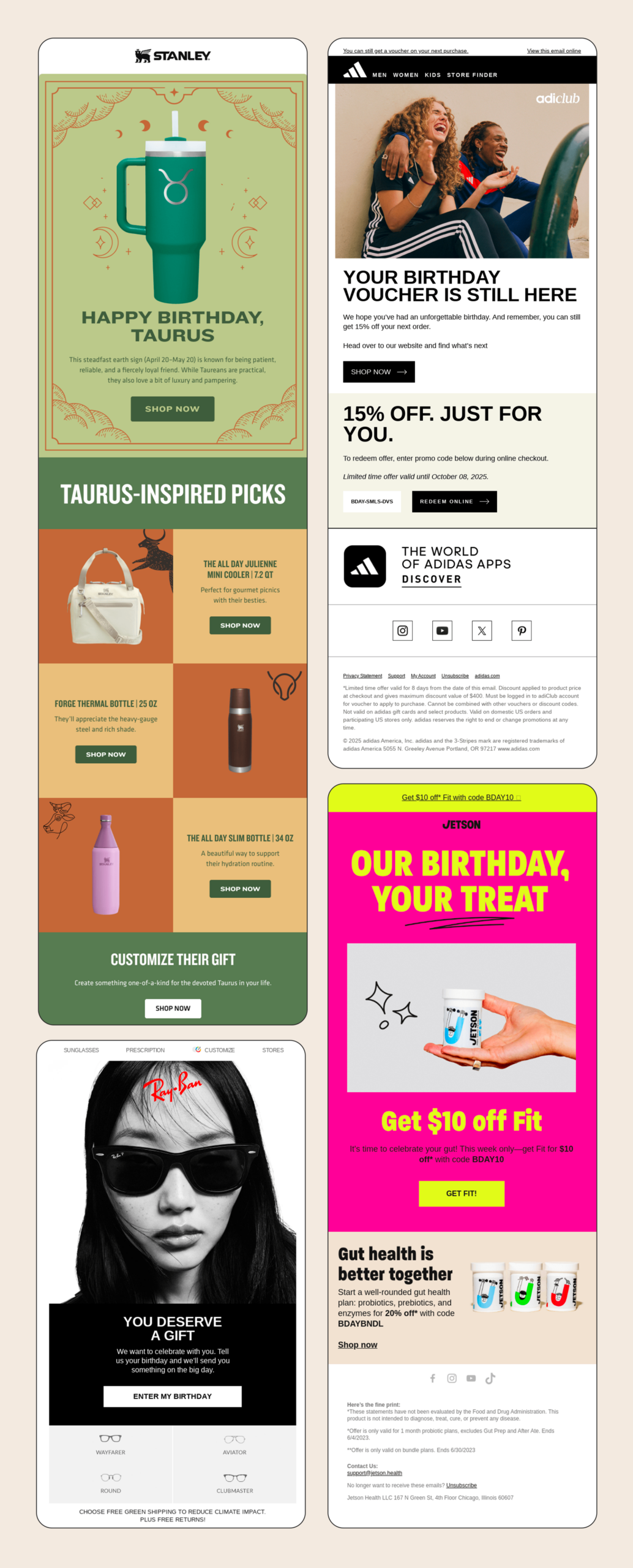
Birthday & VIP Loyalty Blueprint
How to Prioritize These Automations
If your ecommerce brand is building out lifecycle flows from scratch, focus on these three high-impact pillars first:
- Welcome Flow (Captures first-time intent)
- Abandoned Cart Flow (Recovers immediate revenue)
- Post-Purchase Flow (Builds customer retention)
Once these three foundational flows are firing reliably, expand into Browse Abandonment, Winbacks, Reviews, and VIP Loyalty sequences.