Nothing screams booming traffic and massive sales quite like Black Friday. However, peak retail season always brings shifting consumer expectations and operational challenges. How should marketers and brands prepare? Should your strategy mirror previous years, or is it time to evolve?
Here is benchmark context to keep in mind:
- E-commerce adoption continues to compound year-over-year.
- Consumers actively hunt for genuine value, not just arbitrary price slashings.
- There are millions of additional online shoppers searching for holiday gifts.
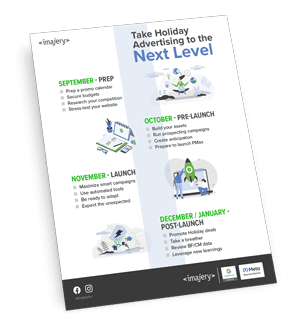
Shoppers are ready to buy this Black Friday season. Read through our comprehensive guide across the three foundational phases: Pre-Launch, Launch, and Post-Launch.

Pre-Launch Phase
Start Early, Like… Now!
Pre-launch is the most critical phase of your planning cycle. Outline your promotional calendar, align inventory availability, and lock in approved budgets early. Give yourself ample time to build massive remarketing lists through early fall prospecting.
Competitive Reconnaissance & Historical Audits
Subscribe to competitor newsletters to keep a macro view of your market. Create Google Alerts for keywords your competitors are targeting. More importantly, audit your past campaign data: identify which ad creatives, email subject lines, and bundle offers yielded the highest contribution margin.
Prepare Performance Max Campaigns
Performance Max accesses all Google Ads inventory—Search, Shopping, YouTube, Display, Discover, Gmail, and Maps—from a unified campaign. Feed the algorithm high-quality creative assets, rich audience signals, and clean first-party data so it exits learning phases before traffic surges.
Build Stunning Creative Assets
Consumers respond to arresting visuals and clear benefit-driven messaging. Produce dynamic copy, eye-catching banners, founder video reels, and UGC mashups that stop the scroll and differentiate your brand.
Stress-Test Your Website
Your website is about to experience its heaviest traffic volume of the year. Test mobile page speed, verify cart drawer functionality, streamline checkout inputs, and test express payment methods (Apple Pay, Google Pay, Shop Pay).

Launch Phase
In AI & Automation We Trust
Lean into platform machine learning during peak demand. The more creative variations tested and audience signals gathered in pre-launch, the more stable your algorithmic bidding will be during Cyber Week. Use automated account rules to increase spend on high-ROAS ads and pause stockout SKUs automatically.
Be Ready to Adapt Quickly
Demand shifts rapidly. If a specific product runs low on inventory, catalog-based ads will suffer. Have backup offers and secondary bundles ready to launch immediately. Assess Black Friday momentum to fine-tune your Cyber Monday offer structure.
Schedule Time for the Unexpected
Keep your calendar free of unnecessary internal meetings during Cyber Week. Establish an agile war room to monitor pacing, conversion rates, and live customer service feedback in real time.

Post-Launch Phase
Don’t Stop When Cyber Monday Ends
Shoppers who missed Black Friday still need holiday gifts. Pivot your messaging toward holiday delivery deadlines, digital gift cards, and clearance bundles. In late December, launch Boxing Day campaigns to keep revenue momentum going strong.
Take a Breather
Once your automated post-purchase drip campaigns are running smoothly, acknowledge your team’s hard work and celebrate your wins.
Learn & Leverage: The Post-Mortem
While data is fresh, conduct an exhaustive post-mortem. Uncover your true blended ROAS, new-to-brand acquisition ratios, top-performing creative angles, and inventory turnover rates. Document these learnings—they form the foundation of next year’s Q4 roadmap!
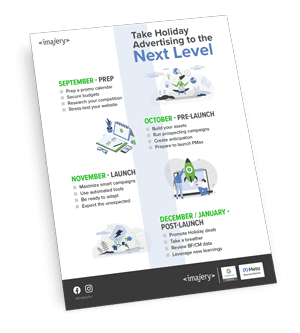
Read through <imajery>’s digital marketing holiday guide for agencies and brands!
Use our expert strategies & tactics for a successful BF/CM 2022.
Download Our Guide