Visual Design Trends That Stop the Scroll
A new year brings new trends in fashion, social media, culture, and of course, graphic design. In digital advertising, visual appeal is what stops the endless thumb-scroll.
As we step into 2025, graphic design styles continue to evolve, blending innovation with nostalgia, minimalism with bold chaos. Here are the five biggest graphic design trends to integrate into your creative campaigns this year.
1. Maximalist Design & Unconventional Typography
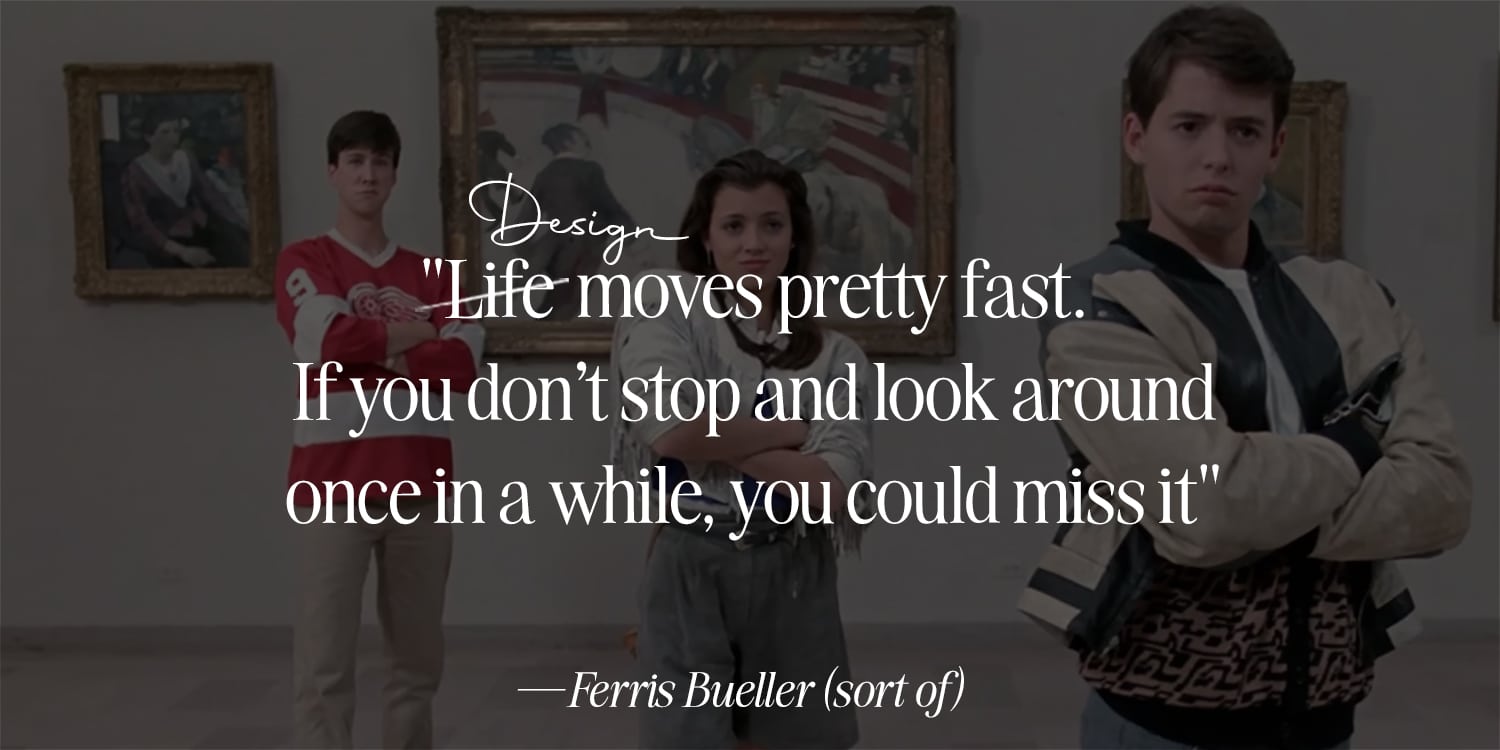
Maximalism embraces “more is more.” It is the antidote to sterile, cookie-cutter corporate design. This trend is perfect for brands that want to inject energy, personality, and controlled chaos into their advertising.
Elements to experiment with:
- Layered background textures
- Clashing, vibrant color palettes
- Asymmetrical and eccentric layouts
- Mixed typefaces (pairing serif with distorted sans-serif)
- Hand-drawn lettering and 3D text overlays
2. AI-Generated Visuals & Hybrid Aesthetics
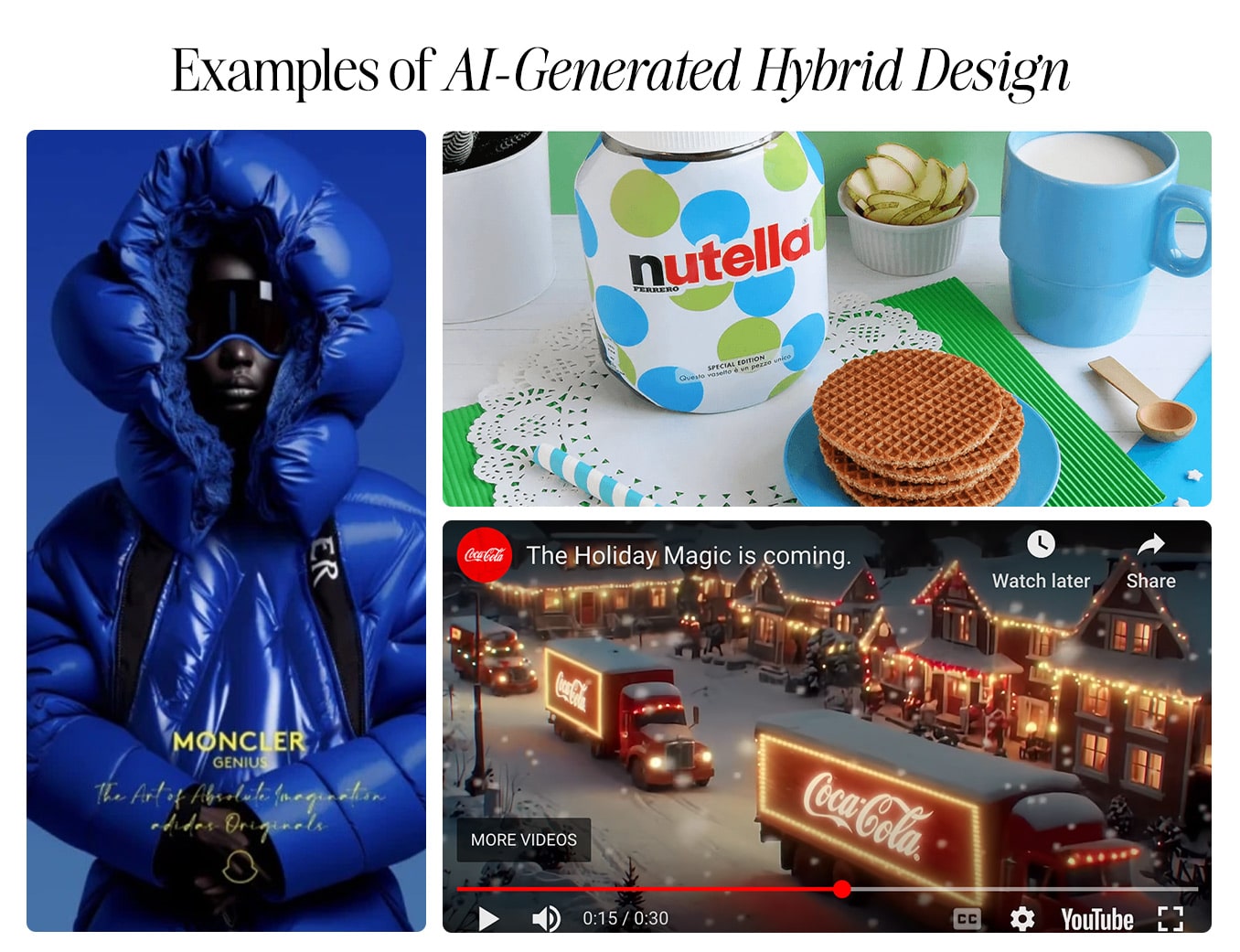
The adoption of AI in creative workflows continues to accelerate. Rather than relying on purely synthetic images that look uncanny, top performance designers are combining AI generative power with bespoke human finishing.
Key applications:
- Combine AI-generated abstract elements with crisp, real-world product photography.
- Use AI background expansion to adapt one photo into vertical (9:16), landscape (16:9), and square (1:1) specs.
- Deploy AI-assisted motion graphics and subtle parallax loops for video ads.
3. Retro-Futurism & Y2K Aesthetics
The Y2K aesthetic is back with immense momentum, influencing fashion, music, and digital advertising. It taps into nostalgia while embracing modern cyberpunk polish.
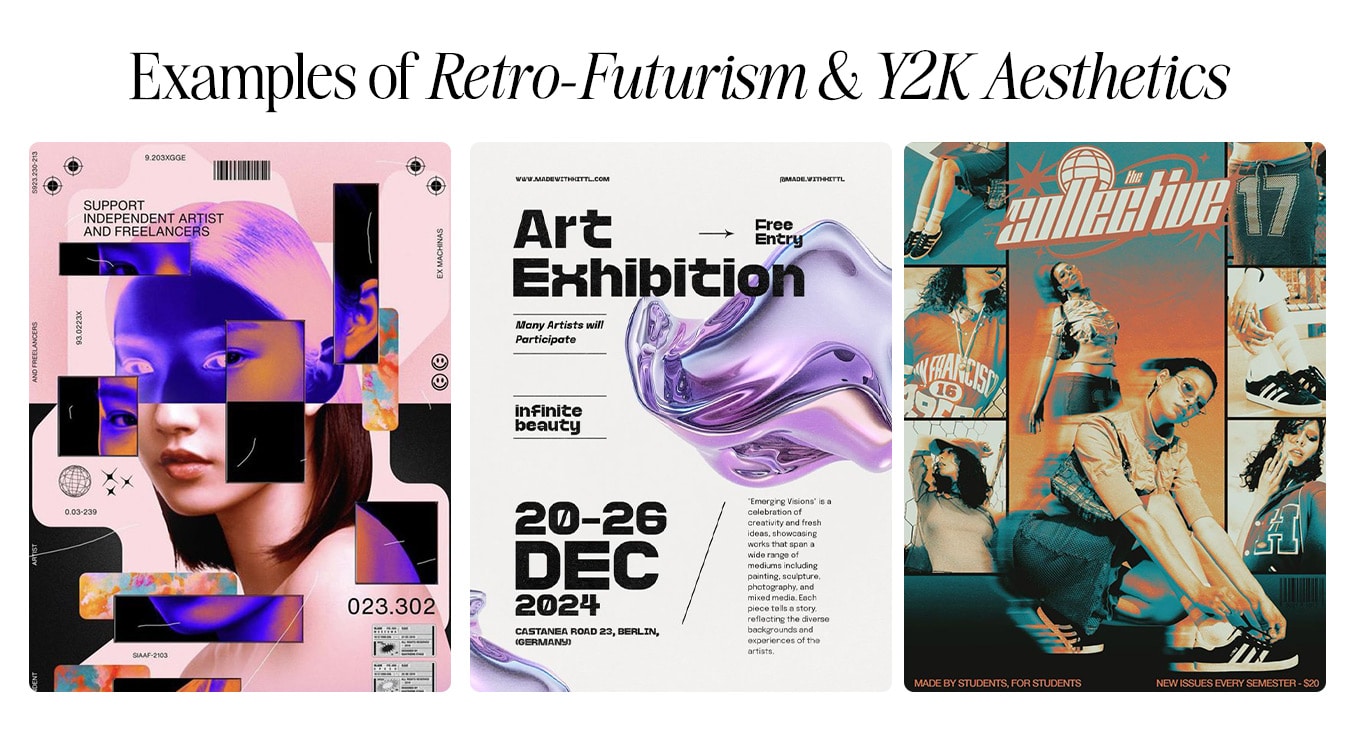
Core elements of the look:
- Typography: Futuristic pixelated fonts, wide-tracked sci-fi titles, and chrome lettering.
- Color & Finish: Metallic gradients, iridescent finishes, electric lime, and hot pink accents.
- Graphics: Wireframe grids, lens flares, and futuristic tech UI badges.
4. Bold Colour Blocking & High Contrast
Visuals in 2025 demand immediate attention. Bold color blocking pairs intense, complementary hues that make text overlays effortless to read on small mobile screens.
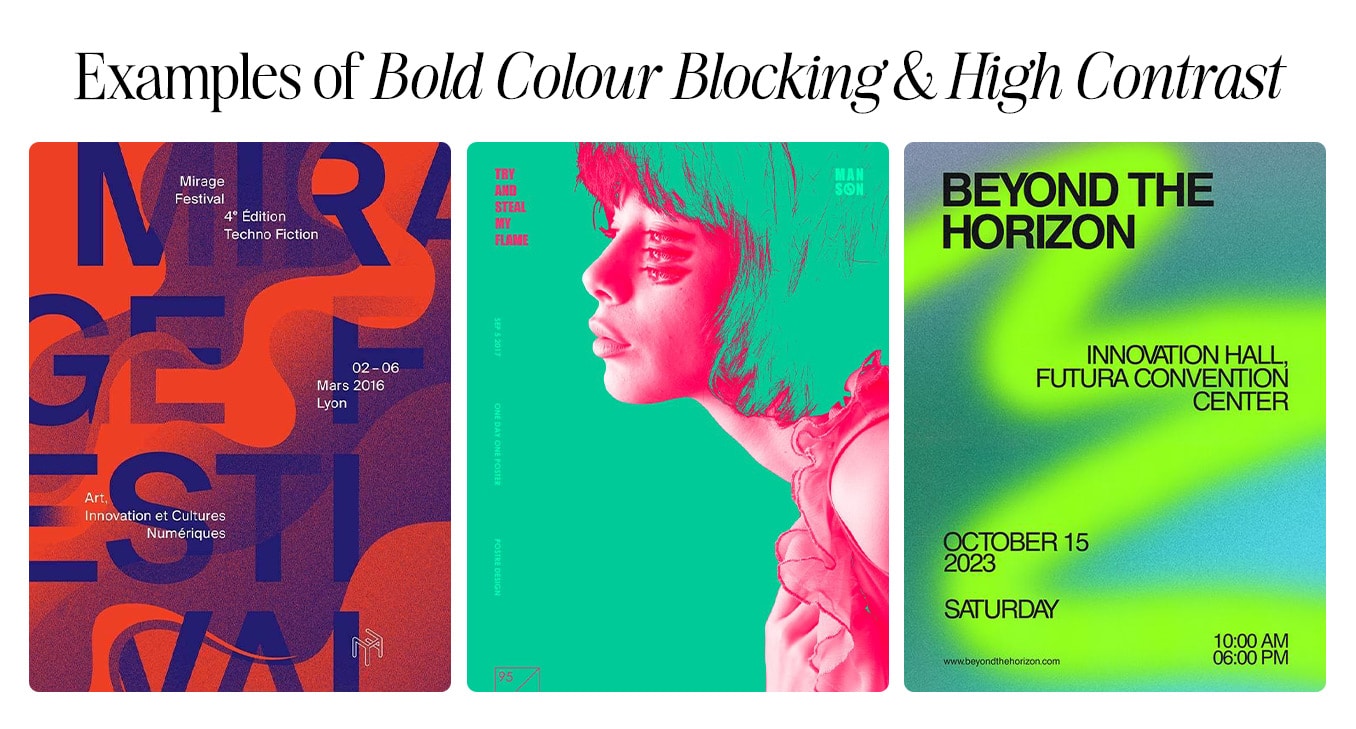
How to apply it:
- High-energy duotones and tinted photographic overlays.
- Monochrome backgrounds with an unmissable neon Call-to-Action button.
- Deep contrast ratios that meet modern accessibility (WCAG) standards.
5. Handmade & Authentic Textures
Over-engineered, glossy ads often feel like spam. In response, audiences are gravitating toward tactile, organic visuals that feel human and unpolished.
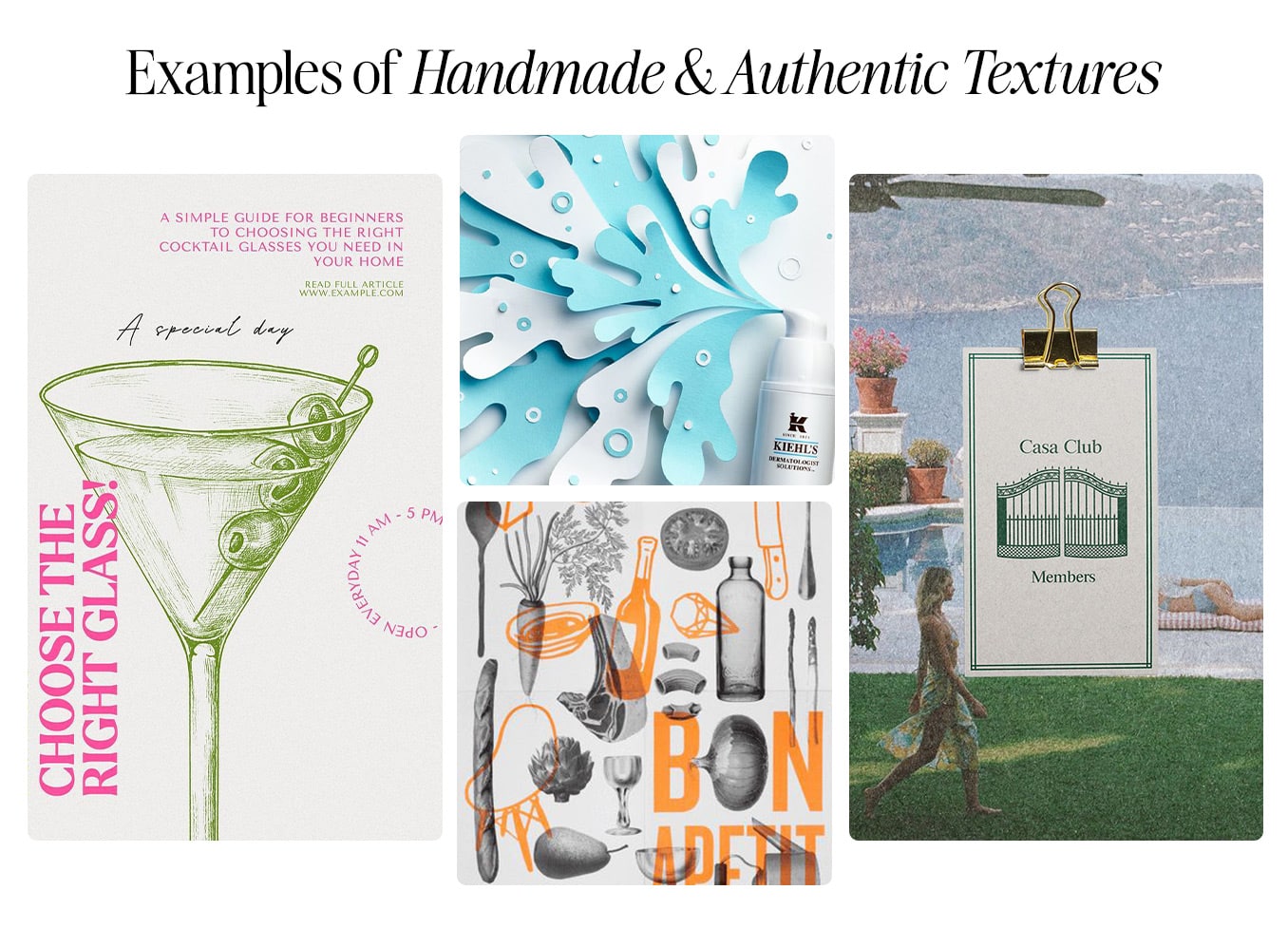
Key techniques:
- Hand-drawn arrows, circles, and handwritten annotations.
- Paper cutouts, collage effects, and torn-edge borders.
- Film grain, risograph textures, and authentic halftone dots.
Some trends are fleeting, while others redefine performance advertising. By testing these visual approaches, your creative team can keep your campaigns fresh, engaging, and ahead of the curve.